
 By Noor AlZahia
Top 5 Immune‑Boosting Supplements for Every Season
Maintaining a strong immune system is essential year‑round, helping your body fend off infections, reduce inflammation, and recover more quickly when you do get sick. While a balanced diet, adequate sleep, regular exercise, and stress management form the cornerstone of good health, supplements can provide an extra layer of support—especially during seasonal transitions or periods of increased demand on your immune defenses. Here are five of the most effective, well‑researched supplements to consider incorporating into your routine, along with tips for using them throughout the year.
1. Vitamin D₃
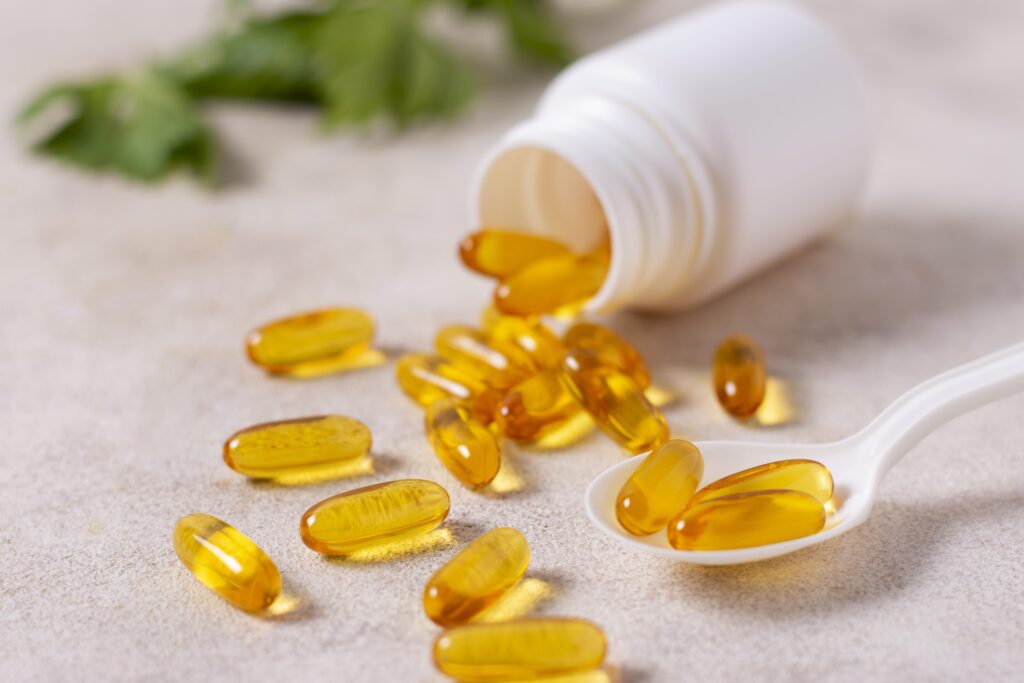
Vitamin D₃ (cholecalciferol) is sometimes called the “sunshine vitamin” because your skin produces it in response to sunlight. In autumn and winter, when daylight hours shorten and many of us spend more time indoors, deficiency becomes common. Low vitamin D levels have been linked to increased susceptibility to respiratory infections.
- Benefits: Enhances the pathogen‑fighting effects of monocytes and macrophages, white blood cells that are important parts of your immune defense; reduces inflammatory cytokine production.
- Seasonal Tip: In winter months, supplement with 1,000–2,000 IU daily (or as directed by your healthcare provider). In sunnier seasons, you might reduce to 400–800 IU or rely more on safe sun exposure.
- Note: Vitamin D is fat‑soluble—take it with a meal containing healthy fats to improve absorption.
2. Vitamin C
A classic immune booster, vitamin C (ascorbic acid) is a powerful antioxidant that helps protect cells from damage, supports the production of immune cells, and enhances the skin’s barrier function. Though it doesn’t prevent colds outright, regular supplementation can reduce severity and duration.
- Benefits: Stimulates both innate and adaptive immunity; regenerates other antioxidants, like vitamin E; supports collagen synthesis for healthy skin and mucous membranes.
- Seasonal Tip: Take 500–1,000 mg daily during high‑risk seasons (autumn, winter, or when traveling). If you feel an oncoming cold, increasing to 2,000 mg split into two doses may help mitigate symptoms.
- Note: High doses (over 2,000 mg/day) can cause gastrointestinal upset—adjust dosage according to tolerance.
3. Zinc
Zinc is a trace mineral crucial for the normal development and function of cells mediating innate immunity (like neutrophils and natural killer cells). It also plays a role in inflammatory response regulation.
- Benefits: Inhibits replication of certain viruses; supports mucociliary clearance in the respiratory tract; aids wound healing.
- Seasonal Tip: During cold and flu season, supplement with 15–30 mg of elemental zinc daily. Lozenges taken at the first sign of a sore throat may reduce the duration of symptoms.
- Note: Taking zinc on an empty stomach can cause nausea—opt to take it with meals, and avoid exceeding 40 mg/day to prevent copper deficiency.
4. Probiotics
Your gut houses about 70% of your immune cells, making gut health integral to overall immune function. Probiotics—live beneficial bacteria—help balance gut microbiota, enhance barrier integrity, and modulate immune responses.
- Benefits: Stimulate production of antimicrobial peptides; support the development of a healthy gut lining; reduce incidence of respiratory infections in some studies.
- Seasonal Tip: Take a broad‑spectrum probiotic daily, especially during antibiotic use, holiday travel, or times of dietary disruption (e.g., summer vacations or winter holidays).
- Note: Look for strains with documented efficacy—Lactobacillus rhamnosus GG and Bifidobacterium lactis BB‑12 are among the best‑studied.
5. Elderberry (Sambucus nigra)
Elderberry extract is a botanical supplement traditionally used to treat colds and flu. Rich in anthocyanins (antioxidant pigments), it exhibits antiviral and anti‑inflammatory properties.
- Benefits: May reduce the duration and severity of flu symptoms; inhibits viral entry and replication; possesses antioxidant and immune‑modulating effects.
- Seasonal Tip: Take 300–600 mg of standardized elderberry extract twice daily at the onset of symptoms, up to 5–7 days. During flu season, use a maintenance dose (150 mg once daily) if you’re in high‑risk environments like schools or airports.
- Note: Avoid raw berries, leaves, or stems—they can be toxic. Use only commercially prepared, standardized extracts.
Tips for Year‑Round Success
- Cycle Supplements: Rotate or pause certain supplements after a few months to prevent tolerance or nutrient imbalances.
- Pair with Lifestyle Habits: Supplements work best when complemented by a nutrient‑dense diet (rich in fruits, vegetables, lean proteins, and healthy fats), regular exercise, good sleep hygiene, and stress reduction practices like meditation or yoga.
- Consult a Professional: Before starting any new supplement regimen—especially if you have chronic health conditions or take prescription medications—check with a healthcare provider or registered dietitian.
If you’d like to explore and purchase these supplements, Click Here..
By integrating these five immune‑boosting supplements into your routine with mindfulness of seasonal needs and personal health status, you can enhance your body’s natural defenses and enjoy greater vitality all year long.
Leave A Comment