

 By Noor AlZahia
Children’s Medicine: Tips for Safe Dosage and Administration
When it comes to treating children’s health conditions, medicine can play a crucial role in helping them recover quickly and comfortably. However, children are not just small adults — their bodies process medications differently, and a wrong dose or improper administration can lead to serious consequences. That’s why it’s essential for parents and caregivers to follow specific safety practices when giving medicine to children.
In this blog, we’ll cover some key tips for ensuring safe dosage and administration of children’s medicine.
Children’s Medicine: Tips for Safe Dosage
1. Always Use the Right Measuring Tool
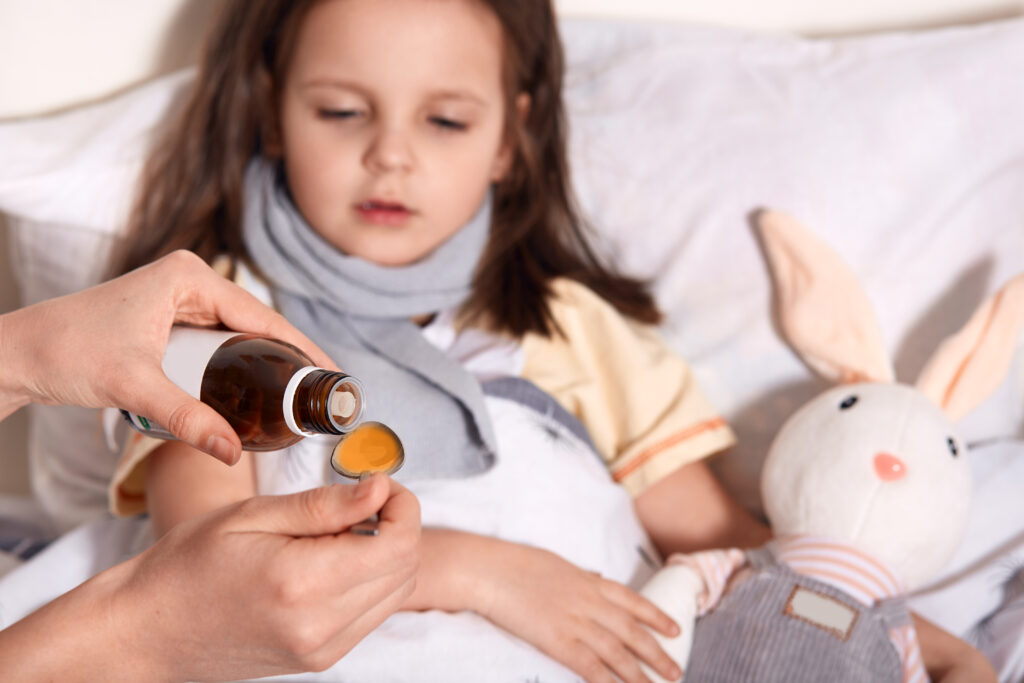
One of the most common mistakes in pediatric medication is incorrect measurement. Household spoons are not accurate for measuring liquid medicine and can result in underdosing or overdosing. Always use the dosing syringe, cup, or dropper provided with the medication. If one isn’t included, ask your pharmacist to recommend a proper measuring device.
2. Read the Label Carefully
Before giving any medicine, carefully read the label or the prescription instructions. Check for the correct dosage based on the child’s age and weight, the frequency, and any special instructions such as taking with food or avoiding certain other medications.
If you’re using over-the-counter (OTC) medicine, ensure it is age-appropriate. Never give adult medications to children, even in smaller amounts, unless advised by a doctor.
3. Know the Active Ingredients
When giving multiple medications, check the active ingredients to avoid accidental double dosing. For example, many cold and flu medications contain acetaminophen (paracetamol). If you also give a separate fever reducer that contains acetaminophen, your child may receive more than the safe amount.
Keeping track of active ingredients is especially important when managing symptoms like fever, pain, or allergies.
4. Avoid Mixing with Food or Drinks Unless Advised
It may be tempting to mix medicine with juice or milk to mask the taste, especially if your child is a picky eater. However, this can affect the absorption or stability of the medicine. Some medications should be taken on an empty stomach or might interact with certain foods.
Always consult your doctor or pharmacist before mixing medicine with food or drinks.
5. Stick to a Routine and Set Reminders

Children often need medicine multiple times a day. Missing doses or giving them at irregular intervals can affect the treatment outcome. To avoid this, try to:
- Set alarms or reminders on your phone
- Keep a medication chart or log
- Store medicines in a safe, visible location (out of children’s reach)
Consistency in timing helps maintain the right level of medicine in the body, especially for antibiotics or medications for chronic conditions.
6. Be Honest and Calm During Administration
Children may resist taking medicine due to its taste or fear. Try to stay calm and explain why the medicine is important. Using simple language, offering a reward after taking the dose, or allowing them to take some control (like holding the syringe) can help make the process smoother.
Never force medicine into a child’s mouth while they are crying or resisting aggressively, as this may cause choking.
7. Store Medicines Safely
Store all medications in a cool, dry place unless refrigeration is required. Keep them out of reach and sight of children to prevent accidental ingestion. Make sure caps are tightly secured and check expiration dates regularly.
Expired or unused medicines should be properly disposed of — many pharmacies offer take-back programs.
8. Consult Your Pharmacist or Pediatrician
If you are unsure about any aspect of your child’s medication — from dosage to possible side effects — always consult your healthcare provider. Pharmacists can also offer valuable guidance and clarify any label instructions.
In Conclusion
Safe dosage and administration of medicine in children require attention, consistency, and a clear understanding of the medication being used. By following these tips, parents can ensure effective treatment while minimizing risks. When in doubt, don’t hesitate to reach out to your local pharmacy or pediatrician for support — your child’s safety is always worth the extra care.
Leave A Comment